

Intramuros is Manila’s historic walled city, founded in 1571 by Miguel López de Legazpi, at the mouth of Pasig river. It served as the Spanish colonial government’s administrative and religious center. The area features grand churches, forts and colonial buildings, though some parts were heavily damaged during World War II.
Intramuros remained the center of power for Spanish government from 1571 to 1898 until the end of Spanish rule during the Philippine Revolution.
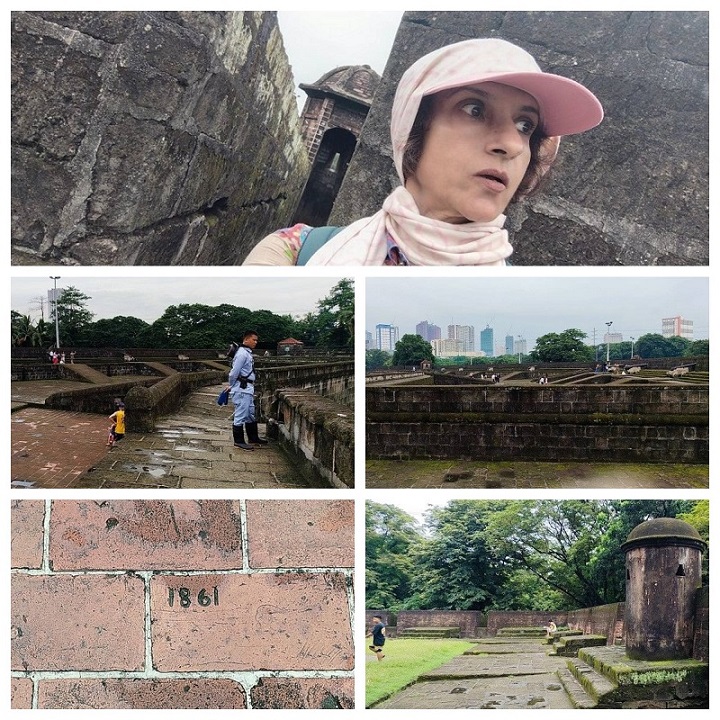
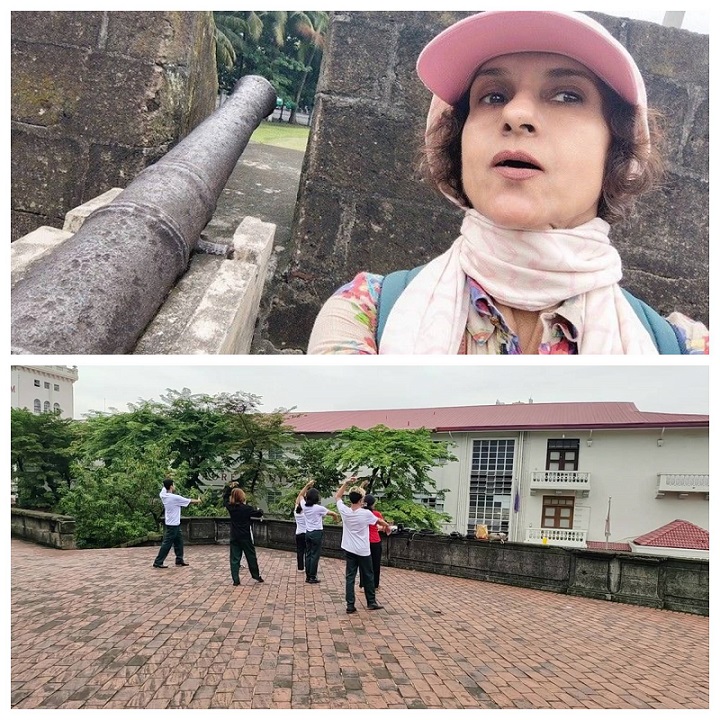
Intramuros literally means within the walls, referring to the impressive fortifications that once protected the city from invaders. The ancient walls complete with moats, cannons and bulwarks still surround much of the area, creating a distinct atmosphere where history comes alive.
My immersive history walks in the walled city for three days, offered me an unique opportunity, to experience its preserved architectural marvels and cultural landmarks closely.
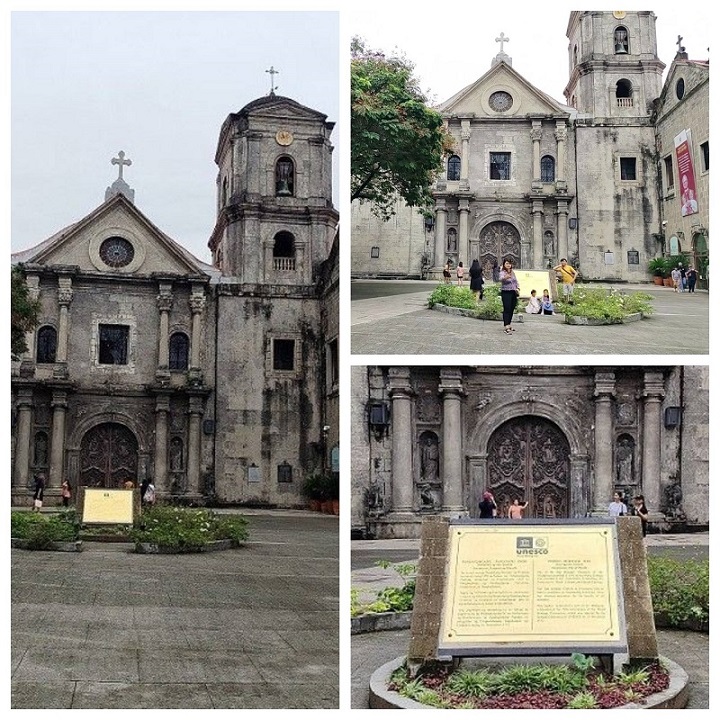
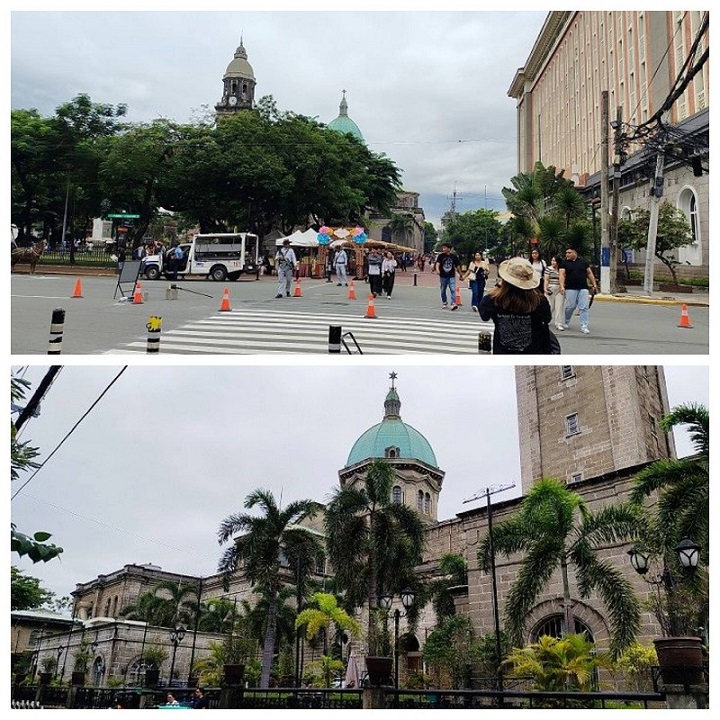
Universal value of the San Agustine church makes it a UNESCO World Heritage site. This all-stone church complex completed in 1607, is the oldest stone church in the country, being relatively unchanged since its construction. San Agustin is designed in the neoclassical baroque style and built out of locally quarried adobe stone and lime mortar.
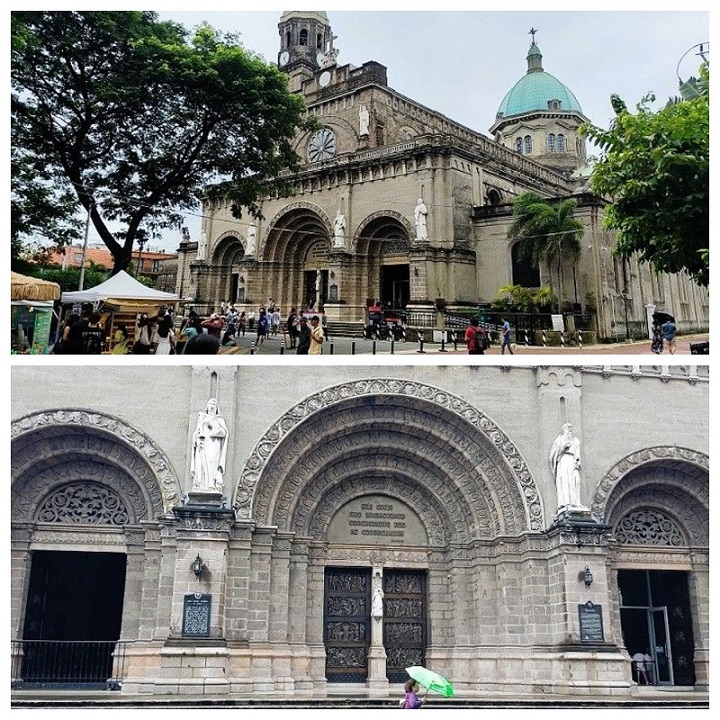
The majestic Manila Cathedral serves both as the Prime Basilica of the Philippines and the highest seat of the archbishop in the country. It’s the final resting place for former prelates who have served the Archdiocese of Manila and was also used as a venue for requiem mass for former President of the Philippines Corazon Aquino.
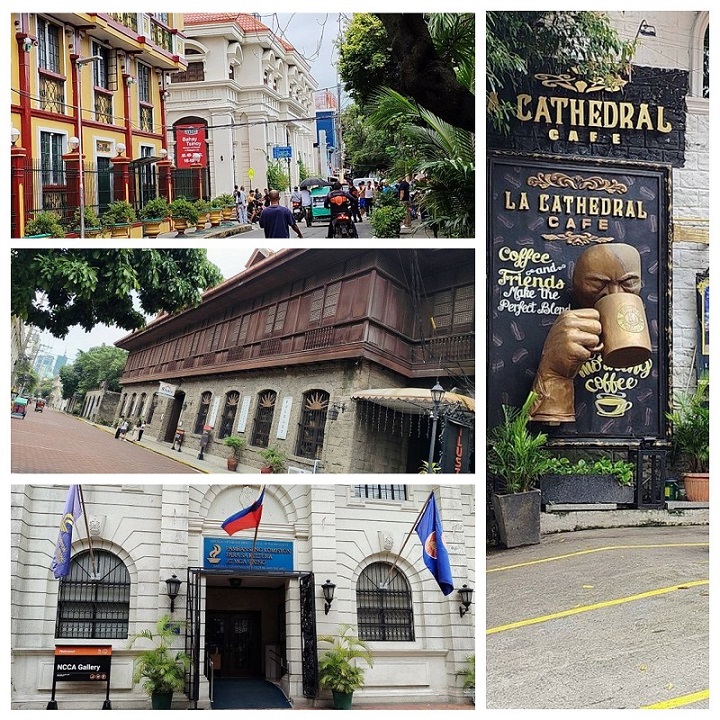
Several cobblestone streets add to the charm of the old town. Quaint cafés and art galleries make it a scenic destination for photography and relaxed strolls.
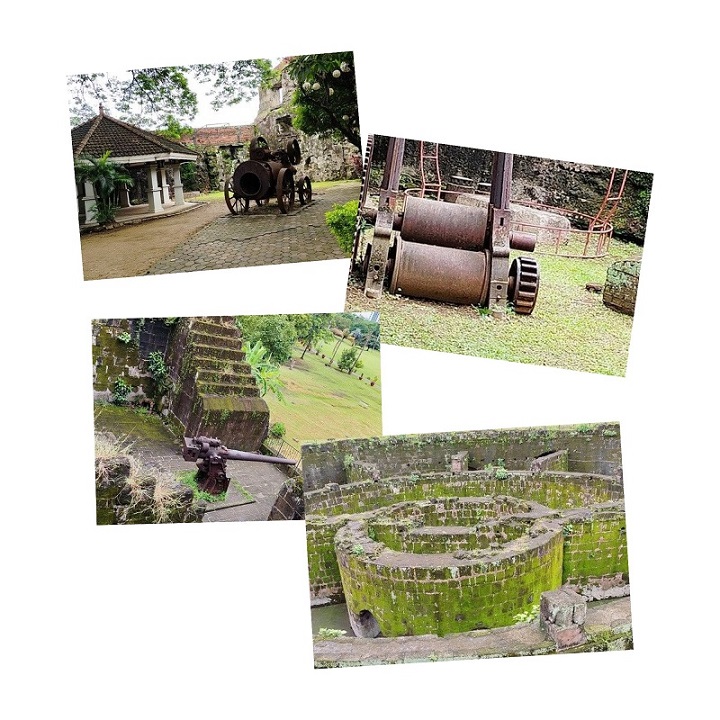
Designed by architect Antonio Sedeño and built in 1586, Nstra Sra de Guia was a circular tower meant to defend Manila’s southern bayside boundary. In 1593, the upper portion of the tower was demolished after suffering from cracks. The rest of the structure was integrated into a new bulwark called Baluarte de San Diego shaped like an ace of spades. It was breached by the British forces with cannon fire in 1762, and was restored when the Spaniards returned. The earthquake of 1863 destroyed the structure, leading to its abandonment. During the American occupation, the circular fort was buried under layers of soil which eventually saved it from destruction during the Battle of Manila in 1945 despite the damage sustained by the baluarte containing it.
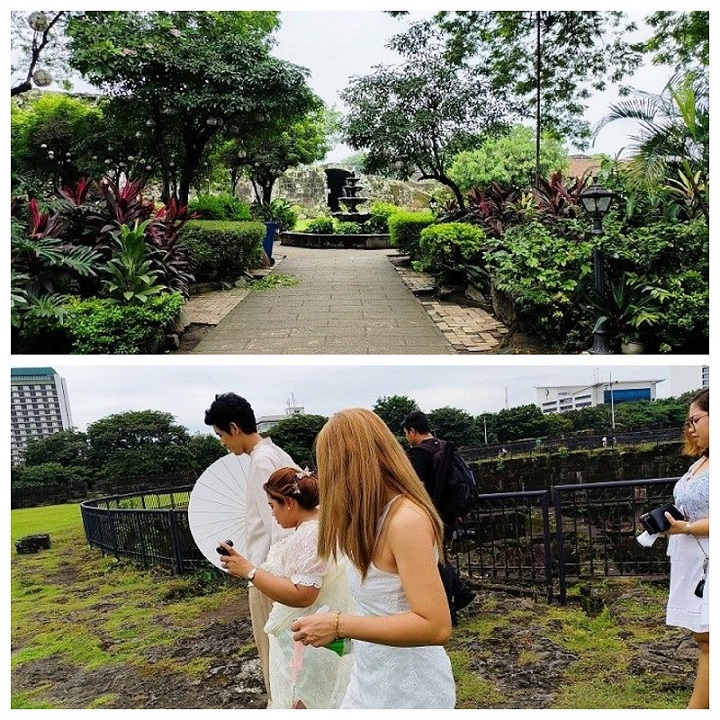
There are dedicated cycle tracks in some parts of the walled city.
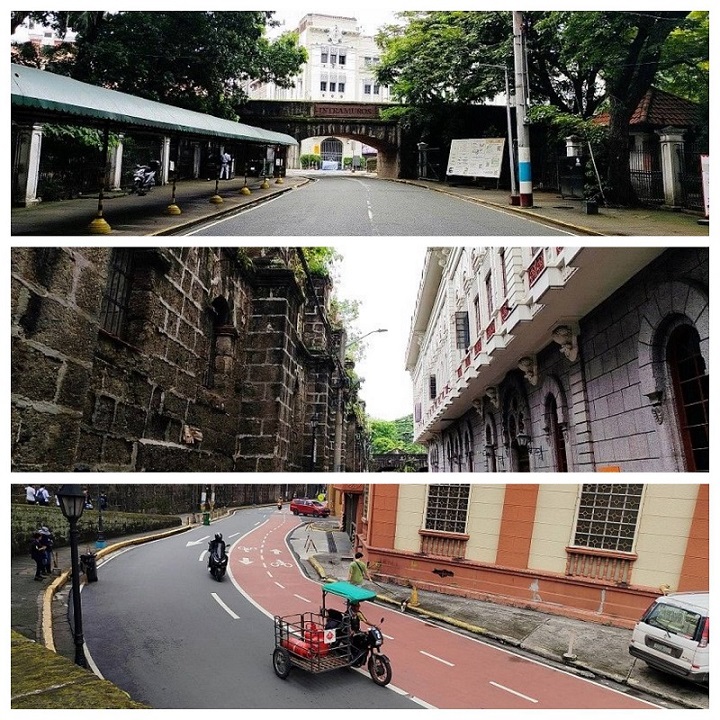
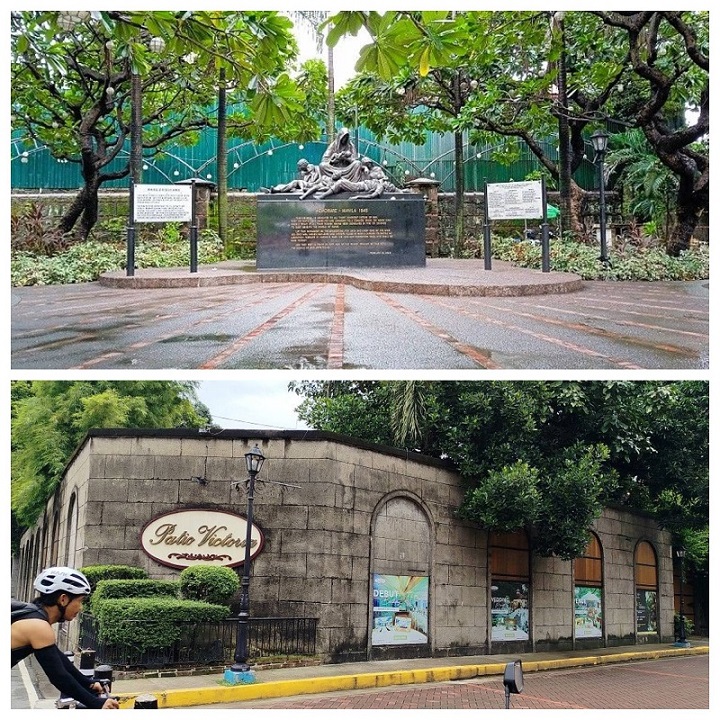
Cycling and walking are the preferred choices to explore the walled city. Horse drawn rides called kalesa also fascinate visitors.
I just have to say I absolutely love your travel pictures. Makes me feel like I’m right there with you.
Thank you. Glad you love my travel captures.
Intramouros is absolutely beautiful! I love that imposing architecture and all the history it holds.
Fascinating architecture absolutely.
What a beautiful place Indutraveltals is I learn so much through your travel posts and see the beauty you capture as well
Thanks Samantha.
I always learned something new from your blog post. Actually so many learnings that I share with my nephews.
Thanks Marie.
oh wow…You visit the more impressive towns, amazing…I would love to explore the area, so much culture and history, I love it.
I loved my extensive walks in the walled city of Manila.
You always seem to visit the most historical, interesting places! I love the architecture of the Walled City.
Walled city has stunning architecture to admire.
Oh wow it’s so beautiful , we have never been before . But looks incredible
Beautiful and loaded with history.